The Evening Ritual That Built America
Every summer evening in 1965, the Kowalski family would drag their metal folding chairs onto their front porch in Cleveland. Within minutes, neighbors would emerge from their own houses, settling into rockers and gliders, calling greetings across narrow yards. Children moved freely between houses, knowing they had multiple sets of watching eyes and open doors.
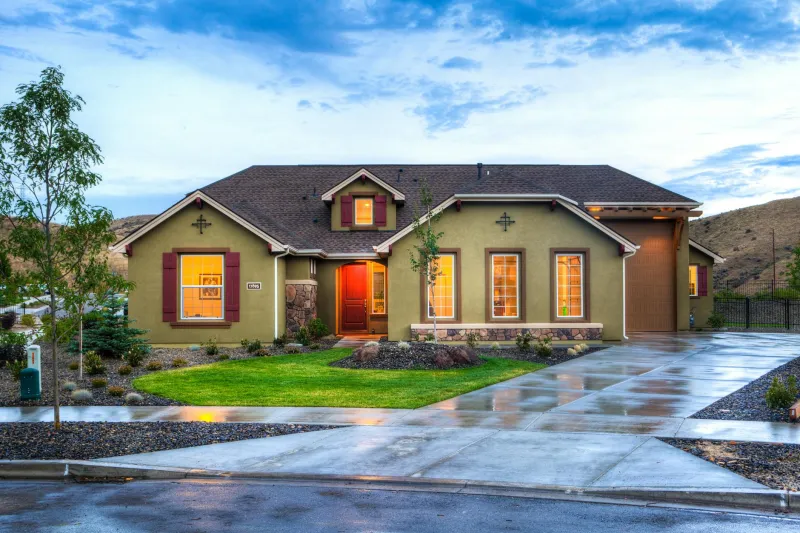
This wasn't a special occasion or organized event. It was just Tuesday night in America, when front porches served as the neighborhood's social network, information exchange, and community watch all rolled into one. Today, that same street is lined with houses where residents drive directly into garages, rarely encountering the people who live ten feet away.
When Streets Were Living Rooms
Mid-century American neighborhoods operated on principles that seem foreign today. Front yards were semi-public spaces where children played while adults supervised from porches and stoops. Property lines existed on paper, but daily life flowed across them. Borrowing a cup of sugar wasn't a cliché—it was Tuesday.
Houses faced the street with wide front porches designed for sitting, not just decoration. These porches were positioned at the perfect height for conversation with passersby and close enough to neighboring porches for easy chat. Architecture encouraged interaction rather than privacy.
Neighbors knew each other's schedules, habits, and family situations. Mrs. Chen knew that the Johnsons' teenage son came home late on weeknights. The Millers knew when the elderly widow across the street hadn't picked up her newspaper. This knowledge wasn't nosiness—it was the natural result of shared outdoor living.
The Great Indoor Migration
The shift away from porch culture happened gradually, driven by technological and social changes that made indoor living more appealing than outdoor community. Air conditioning was the first major factor. As central air became standard in new homes during the 1960s and 1970s, Americans retreated indoors during hot summer months when porch sitting had been most common.
Television programming expanded from a few hours of evening shows to all-day entertainment, giving families reasons to stay inside. The rise of two-car families meant longer commutes, leaving less time for casual neighborhood interaction. Suburban design began prioritizing privacy over community, with larger lots, taller fences, and houses oriented toward private backyards rather than public front yards.
The automobile transformed neighborhood dynamics. Where children once played in streets that saw occasional traffic, busy roads made outdoor play dangerous. Parents began organizing supervised playdates instead of allowing free-range neighborhood exploration. The casual encounters that built relationships became scheduled appointments.
Architecture as Social Engineering
Post-war suburban development actively discouraged the kind of spontaneous interaction that characterized older neighborhoods. Developers built houses with prominent garages and small front porches, signaling that cars mattered more than community. Cul-de-sacs eliminated through traffic but also reduced the natural foot traffic that created chance encounters.
Zoning laws separated residential areas from commercial districts, requiring car trips for basic errands that had once been neighborhood walks. The corner store where residents gathered for gossip and news became the distant strip mall where people hurried through parking lots to complete transactions.
Home design reflected changing priorities. Great rooms and family rooms grew larger while front porches shrank or disappeared entirely. Windows faced inward toward televisions rather than outward toward streets. Privacy became the highest residential value, achieved through design that minimized unwanted social contact.
The Rise of Appointment-Based Friendship
As spontaneous interaction declined, Americans developed new systems for maintaining social connections. Organized activities replaced casual encounters. Children's sports leagues, book clubs, and volunteer organizations provided structured opportunities for community involvement that had once happened naturally on front steps.
Parenting became more intensive and scheduled. Instead of sending children outside to "find something to do," parents began organizing playdates, driving kids to activities, and supervising interactions that had once been self-managing. The village that raised children became a network of scheduled appointments and supervised activities.
Social media promised to restore community connections but often replaced face-to-face interaction with digital communication. Neighbors might follow each other on Facebook while never speaking in person. The illusion of connection substituted for actual relationship.
What We Lost in Translation
The decline of neighborhood community had practical consequences beyond nostalgia. Emergency response suffered when neighbors didn't know who belonged and who didn't. Crime prevention weakened without natural surveillance from porch-sitters and dog-walkers. Elderly residents became isolated in ways that would have been impossible when neighbors monitored each other's daily routines.
Children lost access to multiple adult mentors and the kind of gradual independence that came from having familiar adults throughout the neighborhood. The phrase "it takes a village" became a political slogan rather than a lived reality.
Social capital—the networks of relationships that help communities function—declined as Americans became what sociologist Robert Putnam called "bowling alone." Civic participation dropped. Volunteer organizations struggled to find members. The social infrastructure that had made neighborhoods resilient began crumbling.
The New Loneliness Economy
Modern Americans pay for services that neighbors once provided freely. Dog walkers, babysitters, house sitters, and lawn care services replace the informal exchanges that once built community bonds. Apps like Nextdoor attempt to recreate digital versions of front porch conversations, but screen-mediated interaction lacks the spontaneous warmth of face-to-face encounters.
The loneliness epidemic that public health officials now recognize as a serious medical problem has roots in the architectural and social changes that eliminated casual community interaction. Depression and anxiety rates climb as Americans become increasingly isolated in their private spaces.
Signs of Revival
Some communities are rediscovering the value of front porch culture. New urbanist developments deliberately design neighborhoods with narrow streets, small front yards, and prominent porches. Cities are creating car-free zones and pocket parks that encourage casual interaction.
Community gardens, block parties, and neighborhood walking groups represent attempts to rebuild the social connections that once happened naturally. Cohousing communities intentionally design shared spaces and organize regular gatherings, recreating some aspects of traditional neighborhood life.
The Choice We Didn't Know We Were Making
The transformation from front porch to privacy fence wasn't a conscious decision to abandon community. It was the cumulative result of thousands of individual choices—buying air conditioning, moving to suburbia, prioritizing convenience over connection. Each choice made sense individually while contributing to a collective loss of social fabric.
Restoring neighborhood community requires reversing some of those choices. It means spending time in front yards instead of backyards, walking instead of driving short distances, and accepting that community comes with both benefits and obligations. It means recognizing that knowing your neighbors' names isn't nosiness—it's the foundation of the social trust that makes neighborhoods more than just collections of houses.
The front porch may be a relic of the past, but the human need for community remains constant. The question is whether Americans can find new ways to satisfy that need or will continue living as strangers in increasingly connected but emotionally distant neighborhoods.