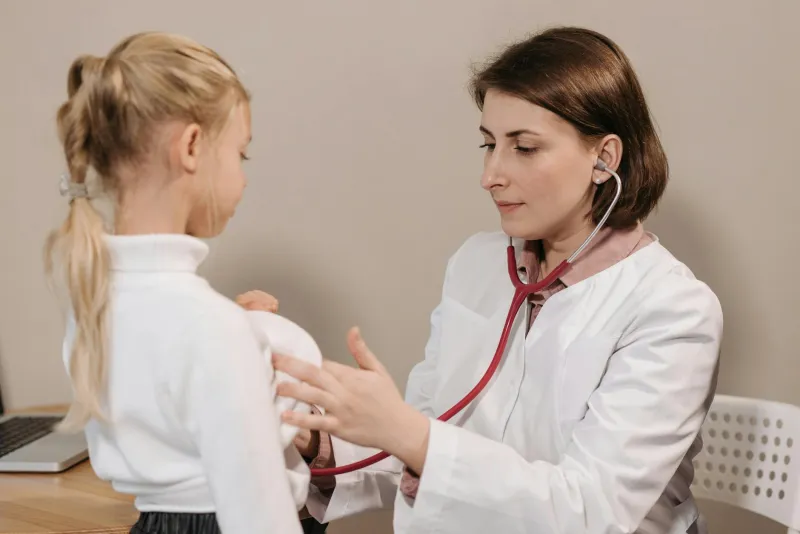
Your Grandmother Could Cure a Fever With Weeds From the Backyard While You Google 'Is This Normal'
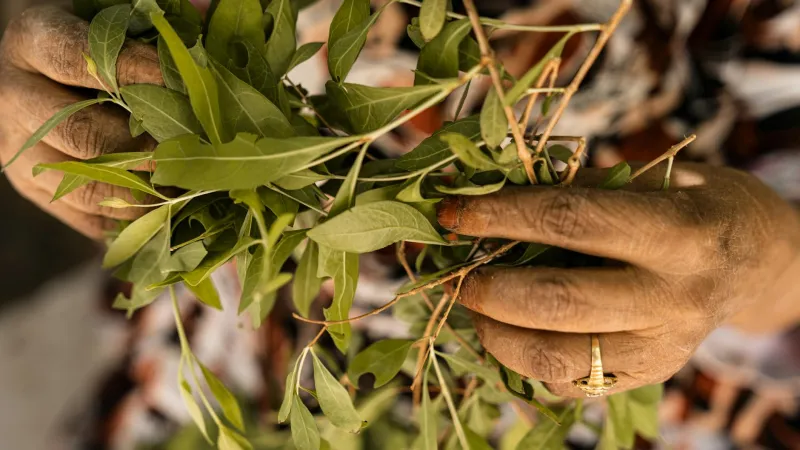
The Pharmacy Growing Outside Your Window
Walk through any suburban neighborhood today and you'll find yards full of plants that previous generations considered essential medicine. Dandelions for liver problems. Plantain for cuts and stings. Elderberries for immune support. Willow bark for pain relief. Your great-grandmother knew these plants better than you know the medicine cabinet in your bathroom.
This wasn't folk wisdom or old wives' tales—it was practical healthcare born from necessity. Before aspirin became available in drugstores, Americans extracted salicin from willow bark to treat headaches and inflammation. Before antibiotics, they applied honey and various plant poultices to prevent wound infections. Before antacids, they chewed peppermint or fennel seeds for digestive issues.
Every American household maintained what amounted to a natural pharmacy, with mothers and grandmothers serving as the family's primary healthcare providers. They knew which plants to harvest, when to harvest them, how to prepare them, and what doses were safe for children versus adults.
When Your Kitchen Was Your Clinic
Domestic medical knowledge extended far beyond herbal remedies. American women routinely treated broken bones, delivered babies, and managed serious illnesses using techniques passed down through generations. They understood nutrition in ways that modern Americans, despite access to vastly more information, often don't.
Food was medicine, and medicine was often food. Chicken soup wasn't just comfort—it was prescribed treatment for respiratory infections, and modern science has confirmed its anti-inflammatory properties. Garlic was used to treat infections and boost immunity. Ginger settled upset stomachs. These weren't quaint traditions; they were evidence-based treatments refined through centuries of trial and error.
Women also maintained detailed knowledge of food preservation that kept families healthy year-round. They knew which vegetables provided essential vitamins during winter months, how to ferment foods for better digestion, and which combinations of ingredients created complete proteins. Malnutrition was often a problem of poverty, not ignorance.
The Neighborhood Network of Expertise
Medical knowledge wasn't isolated within individual households—it formed networks of community expertise. Every neighborhood had women known for specific skills: one might be the go-to person for difficult births, another for treating childhood illnesses, and another for managing chronic conditions in elderly relatives.
This distributed knowledge system meant that serious medical situations were handled by people with real experience, not just book learning. The woman who had successfully treated dozens of cases of pneumonia with herbal remedies and careful nursing was often more effective than the nearest doctor, who might be days away and have limited treatment options anyway.
Communities also maintained collective knowledge about seasonal health patterns. Everyone knew that certain illnesses peaked at predictable times, which plants were ready for harvest when they'd be most needed, and how to prepare for health challenges before they arrived.
How We Traded Knowledge for Convenience
The transformation began gradually in the early 20th century as patent medicines and then prescription drugs became more widely available. Each new pharmaceutical option replaced not just herbal remedies, but the knowledge systems that supported them. Why learn to identify and prepare medicinal plants when you could buy aspirin at the corner store?
World War II accelerated this shift dramatically. Antibiotics saved countless lives and demonstrated the power of modern medicine in ways that herbal remedies couldn't match. The GI Bill sent millions of Americans to college, including medical school, creating a professional healthcare system that gradually displaced community-based medical knowledge.
 Photo: GI Bill, via iprop-ua.com
 Photo: World War II, via c8.alamy.com
Suburbanization completed the transition. Moving to new neighborhoods meant leaving behind the older women who held medical knowledge and the established gardens where medicinal plants grew. New suburban yards were planted for appearance, not utility, and the plants that previous generations considered essential were now classified as weeds to be eliminated.
What Modern Medicine Can't Replace
Today's healthcare system excels at treating acute conditions and managing complex diseases, but it has significant blind spots that traditional knowledge once filled. Modern doctors receive minimal training in nutrition, despite food being the foundation of health. They're taught to prescribe medications but not to help patients understand how lifestyle changes might address root causes of illness.
The average American now consults Google for health information that previous generations learned from mothers and grandmothers. But internet searches can't replace the nuanced understanding that came from years of hands-on experience treating real people in real situations.
We've also lost the preventive mindset that traditional medicine emphasized. Your grandmother adjusted her family's diet with the seasons, incorporated medicinal foods into daily meals, and recognized early warning signs of illness before they became serious problems. Modern Americans often wait until they're sick to think about health at all.
The Cost of Forgetting
The loss of traditional medical knowledge has left Americans uniquely vulnerable in ways we rarely acknowledge. When supply chains are disrupted, when healthcare becomes unaffordable, or when medical professionals are overwhelmed, most Americans have no backup systems for managing their health.
During the early months of COVID-19, when many people couldn't access routine healthcare, there was renewed interest in home remedies and immune-supporting foods. But most Americans had to start from scratch, lacking the foundational knowledge that previous generations considered basic life skills.
We've also lost the confidence that came with understanding our own bodies and knowing how to care for ourselves and our families. The anxiety that drives many Americans to emergency rooms for minor issues would have been incomprehensible to people who routinely managed similar problems at home.
Reclaiming Lost Wisdom
The solution isn't abandoning modern medicine—it's integrating the best of traditional knowledge with contemporary healthcare. Some Americans are already doing this, learning to identify edible and medicinal plants, studying traditional food preparation methods, and developing the kind of practical health knowledge their great-grandmothers took for granted.
This isn't about romanticizing the past or rejecting scientific progress. It's about recognizing that industrialization and specialization, while bringing tremendous benefits, also eliminated knowledge systems that took centuries to develop and might be essential for thriving in an uncertain future.
Your great-grandmother's backyard pharmacy didn't just treat illness—it represented a fundamentally different relationship with health, food, and self-reliance that modern Americans might need to rediscover.