Your Dad Could Afford Front Row Seats on a Factory Salary. How Pro Sports Abandoned the Working Class.
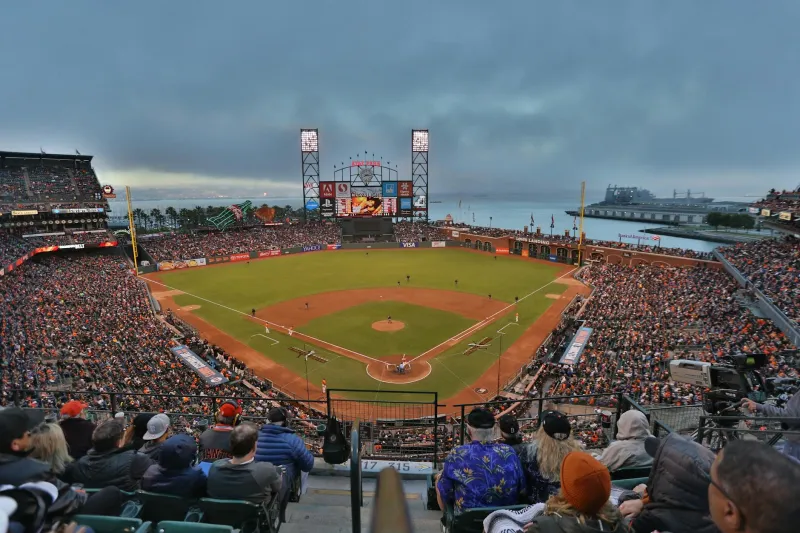
When Baseball Was Still America's Pastime
In 1982, my neighbor worked the assembly line at Ford and took his three kids to see the Detroit Tigers every other weekend during the season. Box seats behind home plate cost $6. A hot dog was 75 cents. Parking was two bucks. The whole family outing—including gas for the drive downtown—came to less than $40.
That neighbor made about $28,000 that year, which means a premium Tigers game cost him roughly 0.3% of his annual salary. Today, those same seats cost $180 each. A family of four would drop $720 just on tickets—before food, drinks, or parking.
Somewhere between then and now, professional sports stopped being entertainment for regular people and became luxury experiences for the affluent. The transformation didn't happen overnight, but the numbers tell a stark story about who American stadiums actually serve.
The Golden Age of Cheap Seats
Through the 1970s and early 1980s, professional sports operated on a fundamentally different economic model. Teams made most of their money from ticket sales and local TV deals, which meant they needed to fill seats with paying customers week after week.
The Chicago Bears charged $12 for their best seats in 1980. The Boston Celtics asked for $8.50 to sit courtside at the old Boston Garden. Even premium seats at Yankee Stadium—the most expensive tickets in baseball—topped out at $7.50.
These weren't inflation-adjusted bargains. They were genuinely affordable for middle-class families. A steelworker in Pittsburgh could surprise his kids with Pirates tickets on a Tuesday afternoon. A teacher in Los Angeles could treat herself to Lakers season tickets without eating ramen for months.
Stadiums felt different then too. The crowd was a genuine cross-section of the city: union guys still wearing work shirts, families with kids in Little League uniforms, elderly couples who'd been coming since the team moved to town. The energy came from thousands of people who had real emotional stakes in the outcome, not corporate clients entertaining business partners.
When Everything Changed
The shift started in the 1990s with a simple realization: sports teams weren't just entertainment companies, they were real estate developers sitting on some of the most valuable land in America's biggest cities.
Luxury suites arrived first. Teams discovered they could charge $100,000 per season for private boxes that corporations would gladly pay for as business expenses. Why sell 20 seats to working families for $200 when you could sell the same space to one company for $2,000 per game?
Dynamic pricing came next. Airlines had proven that people would pay wildly different amounts for identical products depending on demand, timing, and desperation. Sports teams adopted the same algorithms, adjusting prices in real-time based on team performance, weather, opponent popularity, and dozens of other variables.
Personal seat licenses—essentially charging fans thousands of dollars for the right to buy season tickets—became standard for new stadiums. Naming rights turned historic venues into corporate billboards. Premium concessions replaced hot dog vendors with sushi bars and craft cocktail lounges.
The New Math of Fandom
Today's numbers are staggering. The average NFL ticket costs $151, but that's misleading because it includes upper-deck seats that still hover around $75. Good seats—the ones that working families could afford 40 years ago—now start at $200 and climb past $500 for prime matchups.
Add in parking ($40), concessions ($60 for a family), and miscellaneous fees, and a family of four easily spends $800 for a single game experience. That's more than many Americans make in two weeks.
The NBA is even worse. Courtside seats at Madison Square Garden cost $3,000 per game. Lakers floor seats hit $5,000 for big matchups. These aren't collector's items or once-in-a-lifetime experiences—they're regular season games that used to cost what a movie ticket does today.
Meanwhile, median household income has grown from about $47,000 in 1980 to $70,000 today—a 49% increase. But average ticket prices have increased by 300-500% over the same period, completely disconnecting from what regular families can afford.
What We Lost When Sports Went Upscale
The economic transformation changed more than just who attends games. It fundamentally altered the relationship between teams and their communities.
Older stadiums buzzed with genuine passion because the people in the seats had genuine stakes in the outcome. They couldn't afford to show up unless they actually cared. Corporate ticket holders, by contrast, often treat games as networking opportunities with the actual sport as background entertainment.
The famous "12th man" effect in football or home court advantage in basketball partly depended on crowds full of people who lived and died with every play. When those fans get priced out and replaced by business entertaining clients, the atmosphere inevitably changes.
Young fans suffer most. A generation of kids is growing up thinking of live sports as something rich people do, not a normal part of American culture. The casual fan who might discover a lifelong passion after attending one random game can't afford to take that chance anymore.
Still Now: A Different Game Entirely
Professional sports haven't abandoned working-class fans entirely—they've just moved them to the couch. Television deals now generate more revenue than ticket sales, which means teams can afford to price out regular customers in favor of premium experiences for wealthy ones.
The irony is that this model depends on maintaining the illusion of broad-based community support. Teams still want working-class fans to buy jerseys, watch on TV, and provide the cultural energy that makes sports feel important. They just don't want them taking up valuable real estate in the stadium.
Some teams have experimented with bringing back affordable options—$5 upper-deck seats, family packages, student discounts. But these feel like token gestures compared to the wholesale transformation of sports from public entertainment to luxury consumption.
The factory worker who could afford front-row seats in 1982 would recognize the games being played today, but he might not recognize the culture surrounding them. Professional sports have become something his grandfather would barely understand: entertainment by and for people who don't really need the entertainment at all.