A Television Set Once Cost More Than a Car and Families Planned Their Lives Around Three Channels
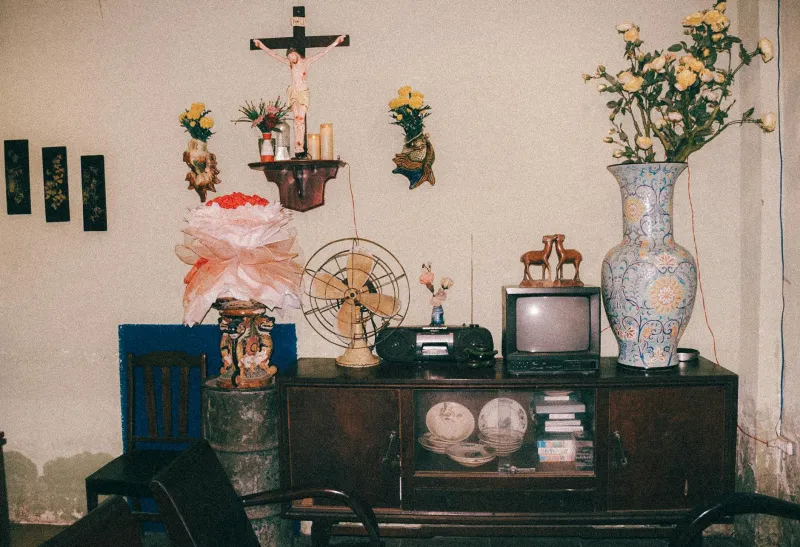
When Watching TV Was a Community Event
In 1950, a decent television set cost $500—equivalent to about $6,000 today. For context, a new Chevrolet cost $1,460, making the TV roughly one-third the price of a car. Families didn't casually decide to buy a television; they planned, saved, and often used layaway plans that stretched payments across months or years.
Once purchased, the television became the most important piece of furniture in the house. These weren't slim screens mounted on walls—they were massive wooden cabinets that dominated living rooms and served as focal points for family gatherings. The screen itself might be only 10 or 12 inches, surrounded by a cabinet the size of a modern refrigerator.
Neighbors who couldn't afford their own sets would gather at houses that had them, turning television viewing into social events. Families with TVs became neighborhood celebrities, hosting regular viewing parties for popular shows. Children would press their faces against store windows to catch glimpses of the magical moving pictures.
Three Channels and Everyone Watched the Same Thing
Most American cities had three television stations: CBS, NBC, and ABC. That was it. No cable, no streaming services, no hundreds of channels. If you wanted to watch television, you watched what was on, when it was on, or you didn't watch at all.
This created a shared cultural experience that's impossible to imagine today. When "I Love Lucy" aired on Monday nights, the entire country stopped what they were doing to watch. Water pressure in cities would drop during commercial breaks as millions of Americans simultaneously used their bathrooms. Telephone usage plummeted during popular shows.
Families planned their schedules around television programming. Dinner was timed to finish before favorite shows began. Children negotiated bedtimes based on special broadcasts. Sunday nights meant "The Ed Sullivan Show," and Monday mornings brought nationwide conversations about whatever act had performed the night before.
 Photo: The Ed Sullivan Show, via images-wixmp-ed30a86b8c4ca887773594c2.wixmp.com
When Breaking News Actually Stopped the World
Television's power to unite the country became most evident during major news events. When President Kennedy was assassinated in 1963, all three networks suspended regular programming for four days of continuous coverage. There was literally nothing else to watch—no alternative channels, no entertainment options. The entire country grieved together, watching the same images and hearing the same reports.
 Photo: President Kennedy, via thumb-nss.xhcdn.com
Similarly, when Neil Armstrong walked on the moon in 1969, an estimated 125 million Americans—roughly two-thirds of the population—watched simultaneously. It was the largest shared experience in human history to that point, made possible by the limited number of viewing options that forced everyone to the same channel.
 Photo: Neil Armstrong, via www.goaghiosdimitrios.gr
Breaking news had genuine power to interrupt daily life because there was no way to avoid it. If networks decided something was important enough to preempt regular programming, Americans had no choice but to pay attention or turn off the television entirely.
The Ritual of Television Maintenance
Owning a television in the 1950s and 1960s meant accepting ongoing maintenance responsibilities that would seem absurd today. Sets required regular tube replacements, antenna adjustments, and professional repairs. Many families kept spare tubes in closets and knew which repair shop offered the best service.
Getting a clear picture often required someone to hold the antenna in a specific position, leading to elaborate family negotiations about who would sacrifice their viewing comfort to improve reception for everyone else. "Rabbit ears" antennas became living room fixtures, constantly adjusted and repositioned in the eternal quest for better signal quality.
When televisions broke—and they broke regularly—families would go weeks without their primary source of entertainment while waiting for repairs. This created a genuine appreciation for working television that made the medium feel precious rather than disposable.
How Abundance Killed Wonder
The transformation began in the 1970s with the introduction of cable television and more affordable sets. Suddenly, families could have multiple televisions and dozens of channels. The shared experience of American television began fragmenting as different family members watched different programs in different rooms.
By the 1980s, television sets had become relatively inexpensive appliances rather than major investments. Families began replacing working televisions simply to get newer features or larger screens. The careful maintenance and reverent treatment of earlier decades gave way to casual consumption and regular upgrades.
The rise of VCRs in the 1980s and DVRs in the 2000s eliminated the appointment viewing that had once synchronized American social life. People could watch shows on their own schedules, further reducing the shared cultural experiences that television had created.
When Everything Became Background Noise
Today's average American household has 2.8 televisions, each connected to hundreds of channels plus streaming services offering thousands of programs. Many people leave televisions running continuously as background noise, something that would have been unthinkable when programming was limited and electricity was expensive.
The medium that once commanded reverent attention has become ambient wallpaper. We watch television while cooking, working, and socializing—activities that were once considered incompatible with the focused attention that television viewing required.
Modern Americans spend more time watching screens than their grandparents spent watching television, but with vastly less intentionality. The appointment viewing that once structured family life has been replaced by binge-watching and endless scrolling through options.
What We Lost When TV Became Cheap
The transformation of television from expensive furniture to disposable appliance reflects broader changes in how Americans relate to technology and entertainment. When televisions were costly and programming was limited, families made deliberate choices about what to watch and when. Those constraints created shared experiences and forced conversations about priorities.
The abundance of modern television has eliminated those negotiations and discussions. With unlimited options and multiple screens, families rarely have to compromise or agree on what to watch together. The living room conversations that once happened during commercial breaks have been replaced by individual scrolling through phones during streaming binges.
We've gained convenience and choice, but we've lost the common cultural touchstones that once connected Americans across geographic and social boundaries. When everyone watched the same three channels, we shared references, jokes, and experiences that created national conversations. Today's fragmented viewing habits make those shared experiences increasingly rare.
The reverence that Americans once felt for television—carefully saving money to buy sets, gathering with neighbors to watch programs, planning schedules around broadcasts—reflected a relationship with technology that prioritized quality over quantity. That mindset, once common across American consumer culture, has become almost unrecognizable in our age of instant upgrades and disposable electronics.


