Two Weeks at the Lake Was Sacred. How America Lost the Ritual of the Annual Family Vacation
The Station Wagon Pilgrimage
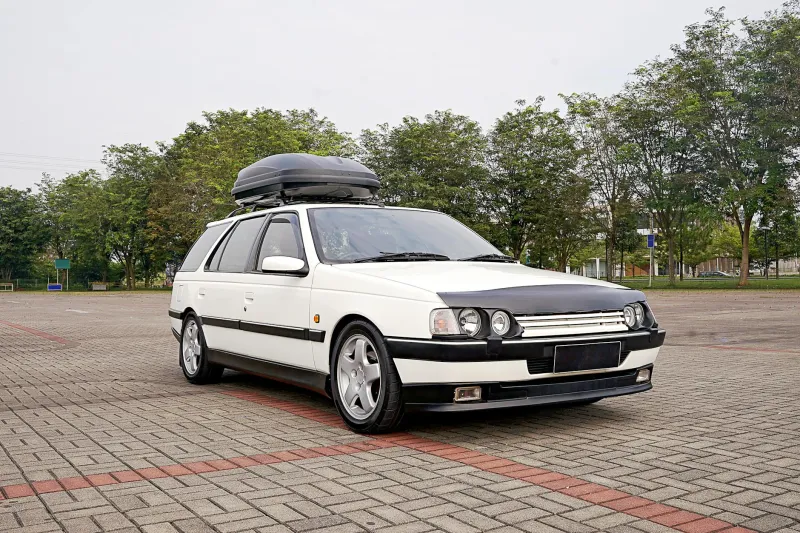
Every June, the Hendersons would load up their wood-paneled station wagon with the same cargo: sleeping bags, a Coleman cooler, fishing rods, and enough bug spray to survive two weeks at Pine Lake. The cabin they rented — the same one, every year since 1962 — cost $75 for the entire stay. Dad took his vacation time without checking email (there wasn't any), Mom packed sandwiches for the road, and the kids knew exactly which bunk bed would be theirs.
This wasn't luxury travel. It was ritual. And for the vast majority of American families in the 1950s, 60s, and 70s, it was simply what you did every summer.
When Vacation Time Was Sacred
Back then, taking your annual vacation wasn't a negotiation with your boss — it was an expectation written into most union contracts and company policies. Manufacturing workers, teachers, office clerks, and even small business owners operated under an unspoken cultural agreement: come summer, you disappeared for one or two weeks. No exceptions.
The numbers tell the story. In 1965, 89% of American workers received paid vacation time, typically starting at one week and building to three or four weeks with seniority. More importantly, they actually used it. Taking your full vacation wasn't seen as lazy or uncommitted — it was seen as normal, healthy, and necessary.
Compare that to today, where 25% of American workers receive no paid vacation time at all, and those who do often leave days unused. The average American worker now takes just 16 days of vacation per year, down from 20.3 days in 1980.
The Affordable Family Escape
The economics of the classic American vacation were beautifully simple. A week at a basic lake cabin in Wisconsin might cost a factory worker the equivalent of two days' wages. A road trip to a state park campground could be done for the price of gas and s'mores supplies.
These weren't Instagram-worthy destinations. They were modest cottages with knotty pine walls and shared bathrooms down the hall. State parks with picnic tables and fire pits. Beach towns with mini golf and ice cream stands. The point wasn't luxury — it was escape from routine, time together as a family, and the simple pleasure of doing absolutely nothing on schedule.
A typical family vacation budget in 1970 might have looked like this: $200 for cabin rental, $100 for gas and food, $50 for activities and souvenirs. Total: $350, or about what the average worker earned in two weeks. Adjusted for inflation, that's roughly $2,400 today — but try finding a week's vacation for a family of four at that price point now.
The Vacation Arms Race
Somewhere between then and now, the humble family vacation got complicated. What used to be about rest and togetherness became about experiences and documentation. Social media turned vacations into performances, where the pressure to create memorable, shareable moments replaced the simple goal of relaxation.
Today's family vacations often resemble military operations. Months of research go into finding the perfect destination. Flights are booked six months in advance. Hotel rates are scrutinized across seventeen different booking sites. Itineraries are planned down to the hour, packed with activities that cost more than entire vacations used to cost.
A week at Disney World — now the gold standard of American family vacations — can easily cost $6,000 or more for a family of four. That's three months of median income, compared to the two weeks it took to afford a cabin at the lake in 1970.
When Time Off Became a Luxury
But the real change isn't just in cost — it's in the fundamental relationship between work and leisure time. The cultural expectation that everyone deserves and takes an annual vacation has simply evaporated.
Today, 54% of American workers don't use all their available vacation days, citing heavy workloads and fear of falling behind. The rise of smartphones and constant connectivity means that even when families do take time off, they're never truly disconnected from work demands.
Meanwhile, millions of service workers — the people who clean hotel rooms and serve restaurant meals at vacation destinations — often receive no paid time off at all. The two-tier economy has created a world where vacation time is increasingly concentrated among higher-income professionals, while working-class families have been largely priced out of the tradition their grandparents took for granted.
The Death of Predictable Pleasure
Perhaps what's been lost most completely is the idea that a vacation doesn't need to be exotic or extraordinary to be worthwhile. The same lake, the same cabin, the same fishing spot year after year wasn't boring — it was comforting. It created family traditions, childhood memories, and a reliable rhythm of rest in an increasingly frantic world.
That predictability has been replaced by the pressure to constantly seek new experiences, to travel farther and spend more, to document everything for social proof. The vacation has become another arena for competition rather than restoration.
What We Gave Up
The decline of the modest, annual family vacation represents more than just changing travel patterns. It reflects a broader shift away from the idea that leisure time is a right rather than a privilege, that families deserve predictable time together, and that rest doesn't need to be earned through extraordinary effort or expense.
The Hendersons' two weeks at Pine Lake weren't glamorous, but they were sacred. They represented a cultural commitment to the idea that working people deserved regular breaks from their daily grind, and that families needed unhurried time together to maintain their bonds.
Today, that commitment feels like a relic from a more generous time — when vacation time was protected, when modest pleasures were enough, and when the simple act of disappearing for two weeks every summer was just what Americans did.