When Mail Day Was the Highlight of the Week. How Americans Once Built Their Lives Around the Postman's Schedule
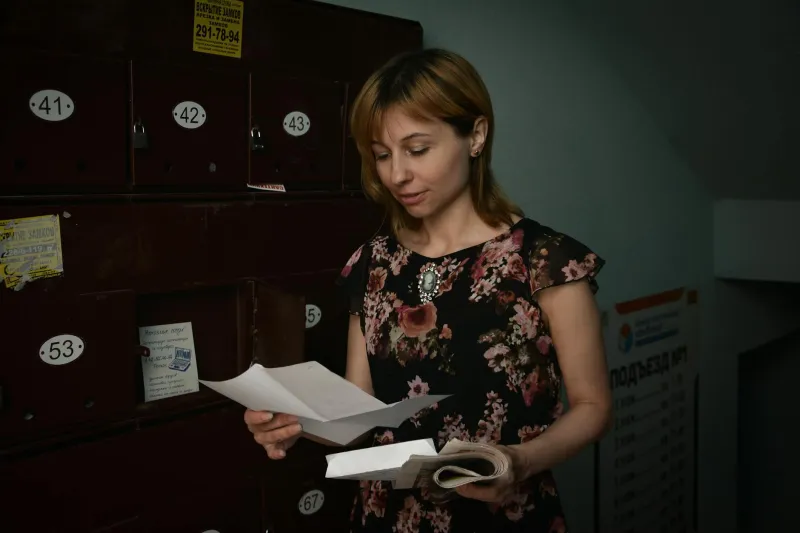
The Sound That Stopped Everything
Twice a day, at precisely 10 AM and 3 PM, the metal clang of mailbox lids would echo through American neighborhoods like a dinner bell. Conversations paused mid-sentence. Children abandoned their games. Adults found excuses to step outside, casually checking their gardens while stealing glances at the postman making his rounds.
This wasn't just mail delivery—it was the heartbeat of American social life.
In 1965, the average American household received eight pieces of personal correspondence each week. Not bills or advertisements, but actual letters written by human hands, carrying news, emotions, and connections across hundreds or thousands of miles. Today, most Americans go months without receiving a single handwritten letter.
When Writing a Letter Was an Event
Sitting down to write a letter in mid-century America required preparation. You needed good stationery—often kept in a special desk drawer—a reliable pen, and most importantly, uninterrupted time. This wasn't texting a quick "how are you?" between meetings.
Letters demanded thought. You couldn't unsend them, couldn't edit them after hitting reply. Every word mattered because crossing out mistakes looked sloppy, and starting over meant wasting expensive paper. The average personal letter took 30-45 minutes to compose, and people often wrote multiple drafts for important correspondence.
Families kept letter-writing supplies in designated spots—usually a small desk or kitchen table drawer containing sheets of paper, envelopes, stamps, and at least two working pens. Sunday evenings were prime letter-writing time, when families would catch up on correspondence while listening to radio programs.
The Geography of Patience
A letter from New York to Los Angeles took five to seven days in 1960. Chicago to Miami? Four days, if you were lucky. This wasn't seen as slow—it was simply how time worked when communicating across distance.
Americans built their expectations around these delays. If you invited someone to a wedding, you mailed invitations eight weeks in advance, not because people needed time to plan, but because the back-and-forth of RSVPs could take a month. Business deals moved at letter speed, with negotiations stretching across weeks as proposals and counteroffers crossed the country in manila envelopes.
Romantic relationships operated on an entirely different timeline. Couples separated by distance—whether due to military service, college, or work—measured their relationships in letter cycles. "I haven't heard from him in two weeks" carried genuine worry, not just impatience. Love letters weren't just romantic gestures; they were proof of life, attention, and commitment.
The Weight of Words
Because letters took effort and time, they carried emotional weight that modern communication can't match. When someone sat down to write you a three-page letter, it meant something. They had chosen to spend their evening thinking about you, crafting sentences, sharing details about their daily life.
People saved letters in shoeboxes, dresser drawers, and special wooden boxes. Decades-long friendships could be traced through stacks of correspondence, creating physical archives of relationships. When someone died, families would discover boxes containing fifty years of letters—a complete emotional history impossible to recreate with deleted text messages and disappeared social media posts.
Breakup letters hit differently too. There was no blocking someone's number or unfriending them online. If someone wanted to end a relationship by mail, they had to sit down, choose their words carefully, and commit those words to paper knowing the recipient would likely read them dozens of times.
The Mailbox as Social Hub
Mailboxes weren't just receptacles—they were neighborhood information centers. Postmen knew everyone's business, not from nosiness but from necessity. They knew when families went on vacation (mail would pile up), when someone was sick (different handwriting on outgoing letters), and when relationships were serious (same return address appearing regularly).
The afternoon mail delivery created natural social moments. Neighbors would emerge simultaneously, creating impromptu conversations at mailbox clusters. "Anything interesting today?" wasn't small talk—it was genuine curiosity about what news the outside world had delivered.
What We Traded Away
Today, we send 300 billion emails annually, but the average American receives fewer than five personal letters per year. We can reach anyone, anywhere, instantly—but we've lost the anticipation, the weight, and the permanence that made communication feel significant.
Modern relationships move at digital speed, but they often lack the depth that came from having to really think about what you wanted to say before saying it. We've gained convenience and lost ceremony. We've gained speed and lost significance.
The mailbox still stands at the end of most American driveways, but it's become a receptacle for bills and advertisements rather than a portal to human connection. We check our phones 150 times per day, but we've forgotten what it felt like to have our hearts race at the sound of mail dropping through a slot.
The Rhythm We Lost
Perhaps what we've lost most is rhythm—the natural pace that comes from having to wait for responses, to plan conversations, to make words count. Letter writing forced patience, consideration, and genuine attention in ways our instant world has forgotten.
When mail day was the highlight of the week, Americans lived with a different relationship to time, distance, and each other. We were connected by effort rather than convenience, by intention rather than impulse. The postman's schedule shaped our expectations, and somehow, that made the connections we built feel more substantial than anything we carry in our pockets today.