The Doctor Who Knew Three Generations
Dr. William Morrison delivered Sarah Chen in 1952, treated her childhood ear infections, monitored her teenage growth spurts, and delivered her first baby twenty-two years later. When Sarah's mother developed diabetes in the 1960s, Dr. Morrison adjusted her insulin doses based on decades of observation. He knew the family's medical patterns, their financial limitations, and their tendency to postpone treatment until problems became serious.
This wasn't exceptional healthcare—it was standard American medicine for most of the twentieth century. Family physicians maintained relationships that spanned generations, accumulating knowledge about their patients that no medical chart could capture. Today, that continuity of care has largely vanished, replaced by a system where patients see different doctors for different problems and medical encounters feel more like transactions than relationships.
When Medicine Was a Relationship, Not a Service
The traditional family doctor model operated on principles that seem almost quaint today. Physicians typically worked in solo practices or small partnerships, maintaining patient relationships that lasted decades. They knew their patients' families, occupations, and life circumstances. This knowledge informed their medical judgment in ways that went far beyond what appeared in official records.
Dr. Morrison knew that the Chen family immigrated from China and maintained traditional dietary habits. He understood their cultural attitudes toward illness and treatment. He knew their economic situation and could recommend treatment options accordingly. When Sarah's father developed chest pains, Dr. Morrison's decision to send him immediately to the hospital was based on twenty years of observing the man's stoic personality and tendency to minimize symptoms.
Appointments weren't rushed affairs. Patients expected to spend time talking with their doctor, and physicians built these conversations into their schedules. The examination room was a place for discussion, not just diagnosis. Doctors learned about their patients' lives, stresses, and concerns, understanding that health problems rarely existed in isolation from life circumstances.
The Personal Touch That Made Medical Sense
This personal approach had practical medical benefits. Doctors who knew their patients over time could spot subtle changes that might escape notice in brief encounters with unfamiliar physicians. They understood which patients were likely to comply with treatment plans and which needed extra support or alternative approaches.
Family physicians served as medical historians, maintaining informal knowledge about genetic patterns, family tendencies, and environmental factors that influenced health. They knew which medications had worked for patients in the past and which had caused problems. This institutional memory made treatment more efficient and effective.
The relationship also provided emotional support that contributed to healing. Patients trusted doctors who knew them personally. They were more likely to follow treatment recommendations and more comfortable discussing sensitive health issues. The doctor-patient relationship itself became a therapeutic tool.
The Business Revolution That Changed Everything
The transformation of American medicine from personal service to corporate healthcare began in the 1980s with the rise of health maintenance organizations (HMOs) and managed care. Insurance companies began controlling which doctors patients could see and how long appointments could last. The seven-minute appointment slot became standard, barely enough time for diagnosis, let alone relationship building.
Corporate medical groups bought out solo practitioners, organizing healthcare delivery around efficiency rather than continuity. Doctors became employees with productivity quotas, seeing more patients in less time. The economic pressure to maximize patient volume made lengthy conversations a luxury that few practices could afford.
Specialization increased dramatically as medical knowledge expanded. Patients who once saw their family doctor for most health issues now visit different specialists for different body systems. Cardiologists handle heart problems, endocrinologists manage diabetes, and orthopedists treat joint pain. Each specialist knows their narrow domain well but lacks the holistic view that family physicians once provided.
The Electronic Health Record Promise and Reality
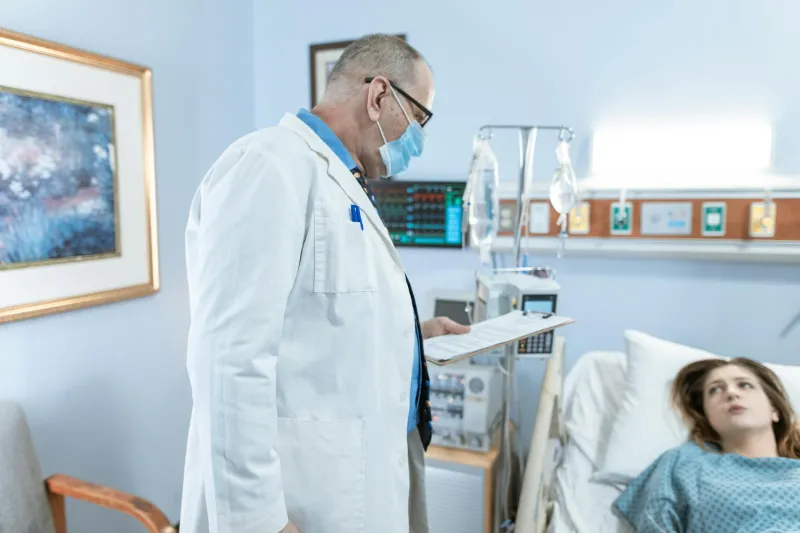
Electronic health records promised to solve the continuity problem by making patient information instantly available to any healthcare provider. In practice, these systems often create new barriers between doctors and patients. Physicians spend more time entering data into computers than talking with patients. The screen becomes a third party in every medical encounter.
EHR systems capture vast amounts of data but often miss the subtle observations that experienced family doctors once noted informally. They document vital signs and test results but can't record that a patient seems more anxious than usual or that family stress might be affecting their health. The richness of personal knowledge gets lost in standardized data entry.
Patients report feeling like their doctors are more interested in computer screens than in them. The technology designed to improve care sometimes makes encounters feel more impersonal and rushed.
What Patients Lost in the Translation
Modern healthcare excels at treating acute conditions and managing complex medical problems, but it struggles with the continuity and personal attention that characterized traditional family medicine. Patients often feel like they're starting over with each new provider, repeating their medical history and explaining their concerns to doctors who don't know them personally.
The loss of long-term relationships affects medical decision-making. Doctors who don't know their patients personally rely more heavily on test results and protocols, potentially missing the contextual clues that experienced family physicians would have noticed. Treatment becomes more standardized but less personalized.
Patients with chronic conditions particularly suffer from the lack of continuity. Managing diabetes, hypertension, or heart disease effectively requires understanding how these conditions fit into a patient's overall life pattern. Doctors who see patients briefly and infrequently can't provide the nuanced care that long-term relationships once enabled.
The Hidden Costs of Impersonal Medicine
The shift to corporate healthcare has created new inefficiencies. Patients visit emergency rooms for problems their family doctor would have handled with a phone call. They undergo duplicate tests because their medical information isn't effectively shared between providers. They receive conflicting advice from different specialists who don't communicate with each other.
Medical errors increase when healthcare becomes fragmented. Doctors who don't know their patients personally are more likely to miss drug interactions, allergic reactions, or treatment complications. The safety net of personal knowledge and long-term observation has been replaced by computerized alert systems that often generate false alarms while missing real problems.
Patient satisfaction has declined as healthcare becomes more impersonal. People report feeling rushed, unheard, and reduced to their symptoms rather than treated as whole individuals. The therapeutic relationship that once contributed to healing has been largely eliminated from medical practice.
Attempts to Restore the Personal Connection
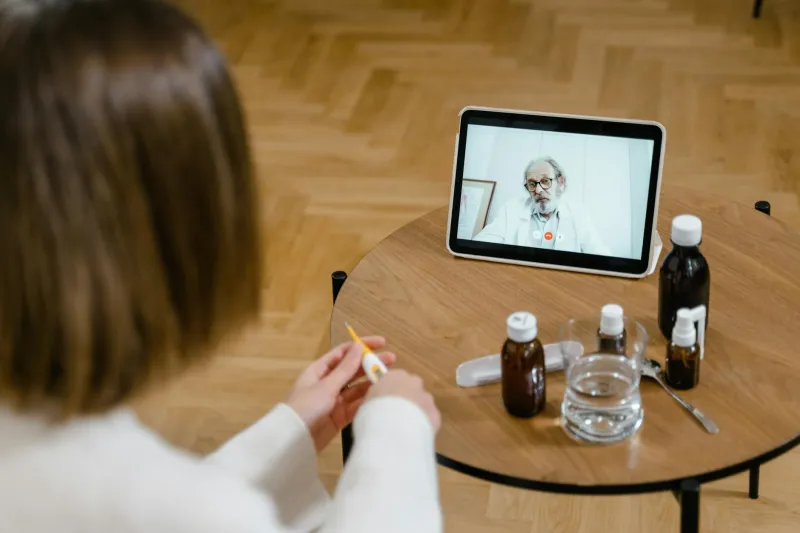
Some healthcare providers are trying to recreate aspects of traditional family medicine within modern constraints. Direct primary care practices eliminate insurance company interference by charging patients monthly fees for unlimited access to their personal physician. These doctors can spend more time with patients and maintain the kind of relationships that once characterized family medicine.
Concierge medicine offers similar personal attention for patients who can afford premium fees. While this approach restores some aspects of traditional doctor-patient relationships, it's available only to those with significant financial resources.
Some large healthcare systems are experimenting with team-based care that combines the efficiency of modern medicine with some continuity of relationship. Patients work with consistent care teams rather than individual physicians, maintaining some personal connection while accessing specialized expertise.
The Irreplaceable Value of Being Known
The transformation of American medicine from personal service to corporate healthcare has brought significant advances in medical knowledge and treatment capabilities. Patients today have access to sophisticated diagnostics and treatments that weren't available in Dr. Morrison's era. Survival rates for many conditions have improved dramatically.
But something essential was lost in this transformation: the healing power of being known by your doctor. The physician who understood not just your symptoms but your life, your fears, and your family history brought a dimension to healthcare that no amount of technology can fully replace.
The question facing American healthcare isn't whether to return to 1950s medicine—that's neither possible nor desirable. Instead, it's whether we can find ways to restore some of the personal connection and continuity of care that once made medicine not just more effective, but more human. In an age of increasing medical sophistication, the simple act of being known by your doctor remains one of the most powerful healing tools available.