Your Grandmother's Dress Lasted Twenty Years: How America Abandoned Quality for Quantity
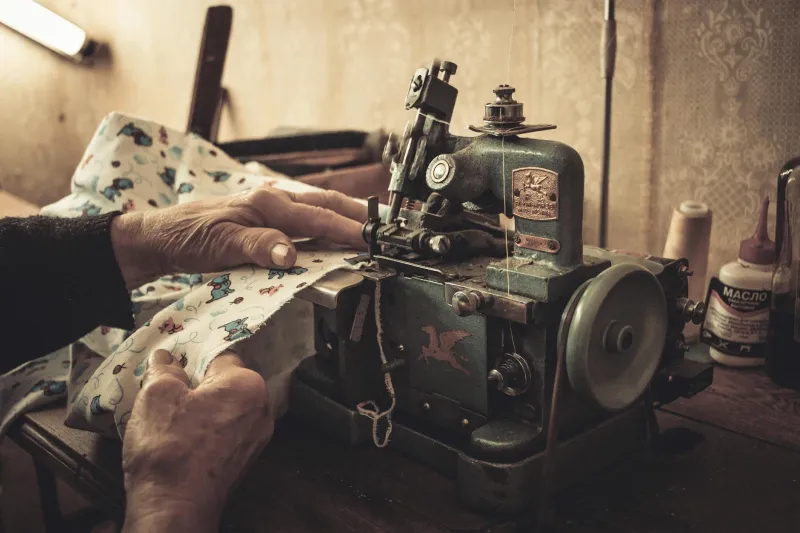
Your Grandmother's Dress Lasted Twenty Years: How America Abandoned Quality for Quantity
Open your grandmother's closet today, and you'll likely find garments from the 1970s that still look newer than clothes you bought last month. This isn't nostalgia talking—it's the difference between a culture that bought clothing to last and one that treats shirts like disposable napkins.
The transformation of American clothing consumption represents one of the most dramatic shifts in how we relate to material possessions. We've moved from a world where buying clothes was a significant financial decision to one where a T-shirt costs less than a cup of coffee and lasts about as long.
When Clothes Were Investments
In 1950, the average American family spent about 12% of their income on clothing—roughly the same percentage we now spend on smartphones and data plans. But that money bought dramatically different products. A man's wool suit cost $40-50, equivalent to about $400-500 today, and was expected to last a decade or more with proper care.
Women's dresses were similarly built for longevity. Seams were finished properly, fabrics were substantial, and details like reinforced buttonholes and lined skirts were standard rather than luxury features. A good coat was a multi-generational purchase, passed down from mothers to daughters along with the knowledge of how to maintain it.
The typical middle-class wardrobe was small by today's standards but remarkably versatile. Men owned perhaps three suits, a dozen shirts, and a few casual outfits. Women had a similar number of dresses, with accessories used to create different looks. Quality, not quantity, defined a well-dressed person.
The Craft Behind the Clothes
Most clothing in the 1950s was still made domestically, often by skilled seamstresses who took pride in their work. Garment factories in New York, Pennsylvania, and North Carolina employed workers who understood construction techniques that have largely disappeared from modern manufacturing.
 Photo: North Carolina, via ontheworldmap.com
Fabrics were predominantly natural—cotton, wool, linen, and silk. These materials aged gracefully, developing character rather than simply wearing out. A cotton dress might fade slightly after years of wear, but it wouldn't develop the pilling, stretching, and general deterioration that characterizes modern synthetic blends.
The construction methods reflected an assumption of longevity. French seams, hand-sewn buttonholes, and substantial interfacing were standard practices, not premium features. Zippers were metal and built to last decades. Buttons were sewn with thread that could withstand hundreds of wash cycles.
The Maintenance Culture
Owning fewer, higher-quality garments created a culture of maintenance that's almost extinct today. Women learned to darn socks, replace buttons, and let out seams as needed. Dry cleaning was reserved for special occasions; most care happened at home with careful washing and meticulous ironing.
Tailors and seamstresses provided alterations that could extend a garment's life for years. A dress could be hemmed up or down following fashion trends, taken in or let out as bodies changed, and updated with new buttons or trim. The idea of throwing away a perfectly functional garment because it was "out of style" would have seemed wasteful to the point of immorality.
Shoes were resoled multiple times before being discarded. Coats were relined. Even undergarments were mended rather than replaced. This wasn't poverty—it was practicality in an era when quality items were worth preserving.
The Fast Fashion Revolution
The transformation began in the 1990s but accelerated dramatically in the 2000s with the rise of what became known as "fast fashion." Companies like H&M, Zara, and Forever 21 pioneered a model that prioritized speed and low cost over quality and durability.
The statistics are staggering. Americans now purchase an average of 65 garments per year—more than one new piece of clothing every week. We discard about 70 pounds of textiles annually per person, much of it barely worn. The average garment is worn just seven times before being discarded.
This shift was enabled by several factors: the movement of manufacturing to countries with lower labor costs, the development of synthetic fabrics that could mimic natural materials at a fraction of the cost, and the rise of global supply chains that could move products from design to store shelves in weeks rather than months.
The $5 T-Shirt Economy
Walk into any major retailer today, and you can buy a T-shirt for less than the cost of a fast-food meal. This seems like progress until you consider what that price represents: wages so low they require subsidies in the manufacturing countries, environmental costs that aren't reflected in the price, and quality so poor that the shirt will be unwearable after a few months.
The hidden costs of cheap clothing are enormous. The fashion industry is now the second-most polluting industry in the world, after oil. Textile production consumes vast amounts of water and chemicals, much of which ends up in waterways in developing countries. The human cost is equally troubling, with garment workers often earning wages that don't provide basic living standards.
The Psychology of Disposability
Cheap clothing has fundamentally changed how Americans think about personal style. Instead of developing a signature look based on quality pieces, many people now treat clothing as a form of entertainment—buying new outfits for specific occasions and discarding them when the novelty wears off.
Social media has accelerated this trend, creating pressure to avoid being photographed in the same outfit twice. The concept of a "capsule wardrobe"—a small collection of versatile, high-quality pieces—seems almost revolutionary in a culture that equates fashion with constant consumption.
The irony is that despite buying vastly more clothing, many Americans report feeling less satisfied with their wardrobes than previous generations. The constant influx of new, low-quality items creates decision fatigue and a sense that nothing quite fits or lasts long enough to feel worthwhile.
What We Lost in the Exchange
The shift from quality to quantity represents more than a change in shopping habits—it's the loss of a relationship with our possessions that emphasized care, maintenance, and longevity. When clothes were expensive and built to last, people developed attachments to specific garments that could span decades.
We've also lost valuable skills. Few Americans under 50 know how to properly care for quality clothing, let alone mend or alter garments. The knowledge of how to evaluate fabric quality, construction techniques, and proper fit has largely disappeared from general culture.
The environmental and social costs of our throwaway clothing culture are becoming impossible to ignore. Some consumers are beginning to seek out higher-quality alternatives, supporting brands that prioritize durability and ethical manufacturing. But these remain niche choices in a market dominated by fast fashion.
The True Cost of Cheap
Your grandmother's 20-year-old dress wasn't just better made—it represented a completely different philosophy about consumption, quality, and value. In our rush to make clothing affordable and accessible, we've created a system that's ultimately more expensive, less satisfying, and environmentally destructive.
The path forward doesn't require returning to the 1950s, but it might require remembering some of the values that made clothing from that era worth keeping. Quality over quantity. Care over disposal. Investment over impulse.
Because the real luxury isn't having 100 pieces of clothing. It's having 20 pieces that you actually want to wear.


