Then & Still Now The world changed more than you think.

Then & Still Now

The world changed more than you think.

Latest Articles

We Engineered Loneliness Into Our Neighborhoods. Here's How It Happened.
Culture

We Engineered Loneliness Into Our Neighborhoods. Here's How It Happened.

Your grandparents knew their neighbors' names, their kids, and their problems. Now you can live on the same block as someone for five years and never speak. This didn't happen by accident—it was designed.

The College Degree Used to Be a Ticket. Now It's a Gamble That Lasts 30 Years.
Health

The College Degree Used to Be a Ticket. Now It's a Gamble That Lasts 30 Years.

In 1975, a college degree was affordable and almost guaranteed to improve your life. Today, it costs six times more, comes with crippling debt, and offers no such guarantee. Here's when the math stopped working.

Forty Hours of Work Used to Mean Something. The Slow Disappearance of the Living Wage.
Culture

Forty Hours of Work Used to Mean Something. The Slow Disappearance of the Living Wage.

In 1950, an hour of minimum wage work could buy you dinner. Today it barely covers a coffee. This is the story of how the relationship between labor and survival quietly shifted beneath our feet.

She Made the Dress She Was Buried In. The Domestic Skills America Forgot It Ever Had.
Health

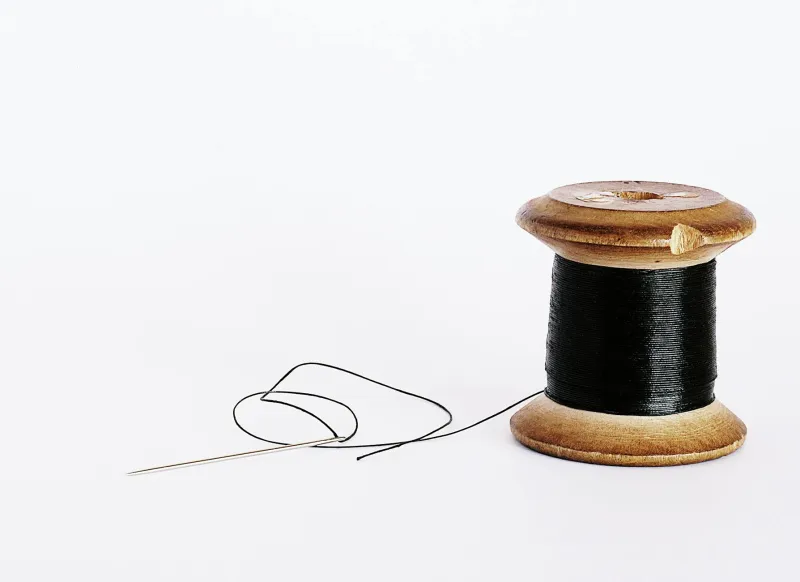
She Made the Dress She Was Buried In. The Domestic Skills America Forgot It Ever Had.

A century ago, most American women could sew a garment from scratch, preserve a season's worth of food, and manage a household economy that produced as much as it consumed. Within two generations, those skills nearly vanished — not because people got lazy, but because the entire logic of daily life quietly changed around them.

The Grocery Cart Doesn't Lie. What Your Paycheck Could Actually Buy in 1965 vs. Today.
Culture

The Grocery Cart Doesn't Lie. What Your Paycheck Could Actually Buy in 1965 vs. Today.

A gallon of milk for 95 cents sounds like a dream until you do the math on what people were actually earning. Comparing grocery prices across six decades reveals a much messier story than simple nostalgia allows — one where some things got dramatically cheaper and others quietly broke the budget.

Sundown Was the Only Rule. The Lost World of the Unsupervised American Kid.
Culture

Sundown Was the Only Rule. The Lost World of the Unsupervised American Kid.

In the 1970s and 80s, kids routinely vanished after breakfast and nobody called the police. Today, that same freedom could get a parent investigated. What happened between then and now — and what did we actually trade away?

Calling Your Sister in Another State Used to Mean Watching the Clock. How Long-Distance Phone Calls Once Ruled American Life.
Health

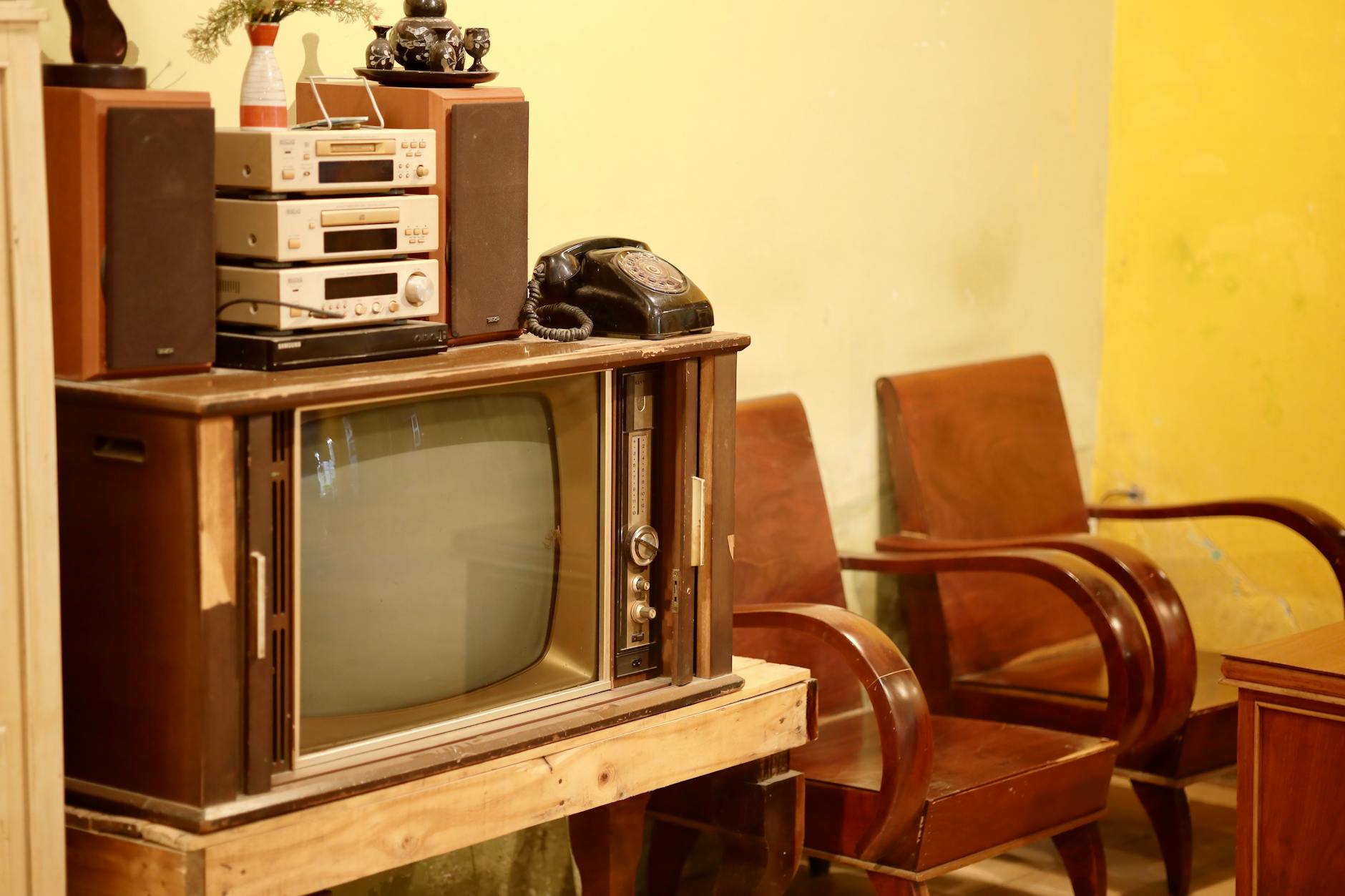
Calling Your Sister in Another State Used to Mean Watching the Clock. How Long-Distance Phone Calls Once Ruled American Life.

In 1980, a ten-minute phone call to a relative across the country could cost as much as a restaurant meal. Americans developed an entire culture around keeping calls short, timing them strategically, and saving real conversations for special occasions. Then the price of talking to someone fell to almost nothing — and everything changed.

Your Grandfather Never Worried About His 401(k). The Retirement Promise That Corporate America Quietly Walked Away From.
Culture

Your Grandfather Never Worried About His 401(k). The Retirement Promise That Corporate America Quietly Walked Away From.

For most of the 20th century, a lifetime of work came with a simple guarantee: a monthly check for the rest of your life. Then, over the course of about 30 years, that guarantee quietly vanished — and millions of Americans are only now realizing what they lost.

Gas Was 36 Cents a Gallon, But a Cross-Country Drive Was Still an Ordeal. The Hidden Price of the Classic American Road Trip.
Travel

Gas Was 36 Cents a Gallon, But a Cross-Country Drive Was Still an Ordeal. The Hidden Price of the Classic American Road Trip.

In 1965, filling your tank cost pocket change — but driving coast to coast was still an expensive, exhausting, and genuinely risky undertaking. The real story of the American road trip isn't about cheap gas. It's about everything else that could go wrong.

Flying to Paris Used to Cost Three Grand and Take Three Days. What Air Travel Was Really Like in 1965.
Travel

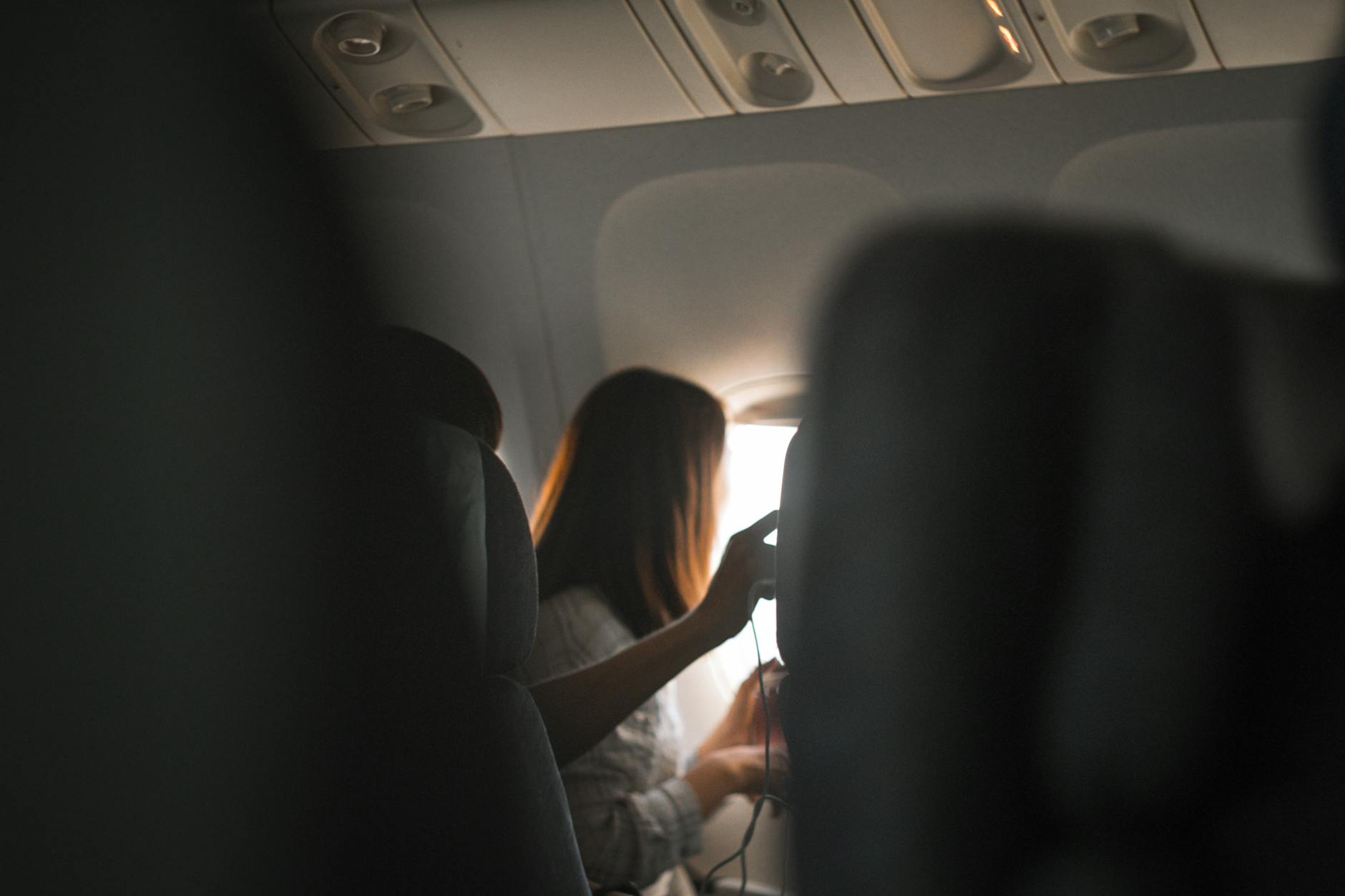
Flying to Paris Used to Cost Three Grand and Take Three Days. What Air Travel Was Really Like in 1965.

Before budget airlines and direct routes, crossing the Atlantic was an expensive, exhausting ordeal reserved for the wealthy. Discover how dramatically air travel has changed — and why your $400 flight to Rome would have seemed like science fiction sixty years ago.

Before GPS, Getting Anywhere New Was a Small Act of Courage. Here's How Lost We Actually Were.
Culture

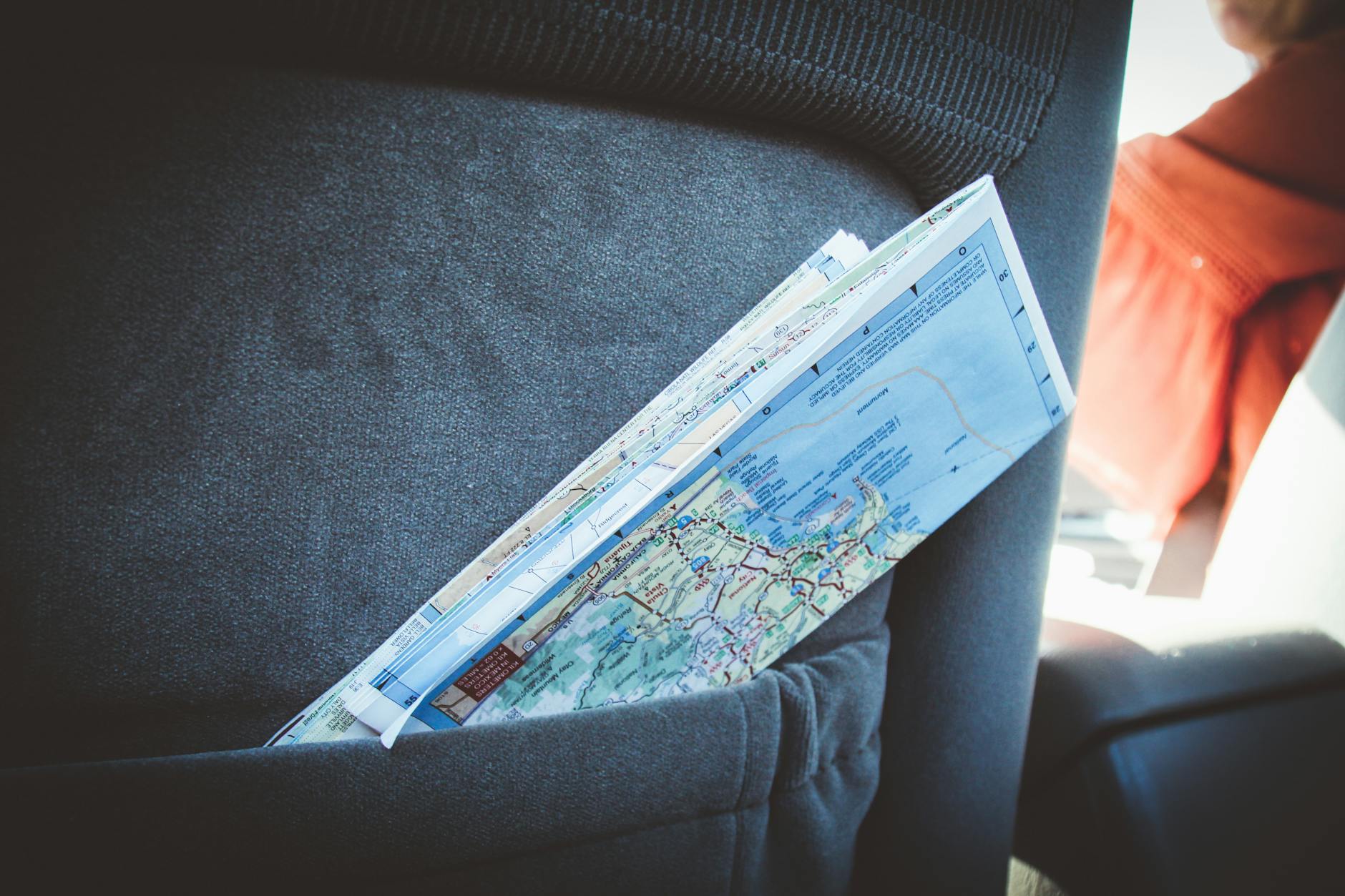
Before GPS, Getting Anywhere New Was a Small Act of Courage. Here's How Lost We Actually Were.

In 1987, getting directions to a friend's new apartment involved a phone call, a pen, and a lot of hope. Before GPS rewired how we move through the world, spatial anxiety was just a normal part of American life — and we've completely forgotten what that felt like.

A Heart Attack in 1960 Was Almost Certainly a Death Sentence. The Medical Revolution Nobody Talks About.
Health

A Heart Attack in 1960 Was Almost Certainly a Death Sentence. The Medical Revolution Nobody Talks About.

In 1960, if your father clutched his chest and collapsed, doctors could offer little more than bed rest and hope. Today, emergency teams can restore blood flow to a blocked artery in under 90 minutes. This is the story of a quiet revolution that saved millions of lives.