When a Factory Job Bought the American Dream: The Homeownership Promise That Vanished

In 1952, Bill Patterson walked into First National Bank of Detroit wearing his factory coveralls, still smelling of motor oil from his shift at the Ford plant. He wanted to buy the three-bedroom colonial on Maple Street for his wife and baby daughter. The banker looked at his pay stub, asked a few questions about his job, and approved a mortgage on the spot.
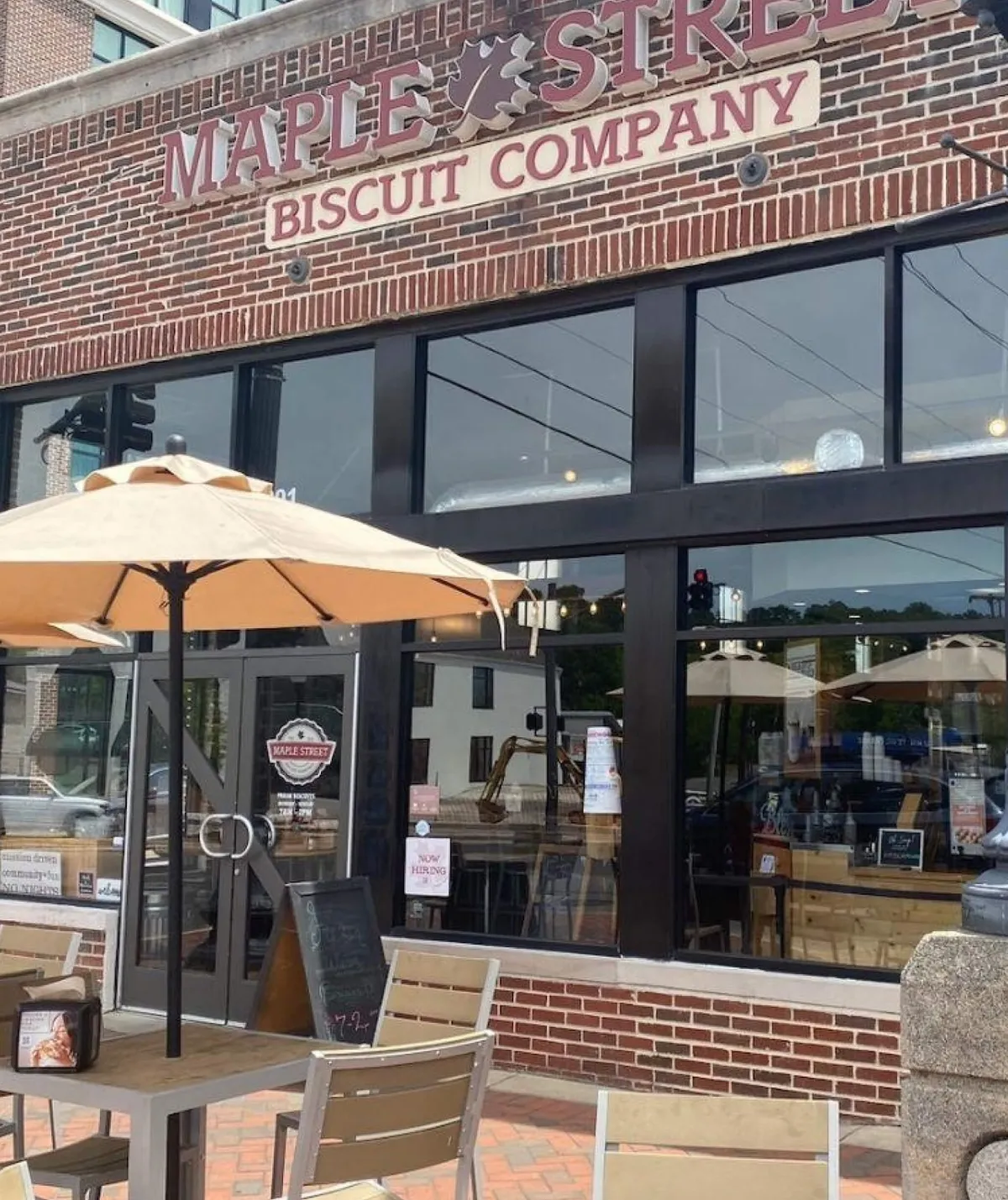 Photo: Maple Street, via images.squarespace-cdn.com
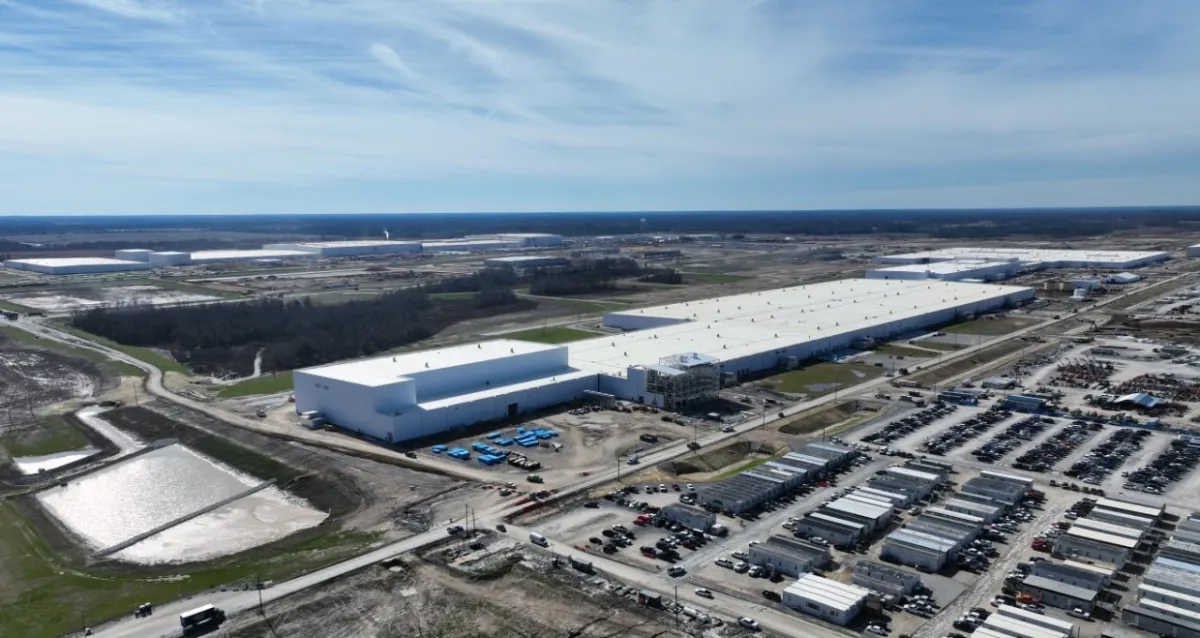 Photo: Ford plant, via www.fromtheroad.ford.com
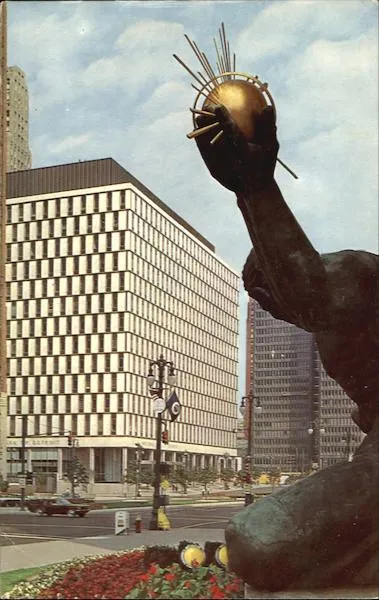 Photo: First National Bank of Detroit, via www.cardcow.com
The house cost $8,500. Bill made $4,200 a year. He put down $850 and walked out with keys to the American Dream.
That same house today—if it's still standing—would cost $285,000. The factory job that paid for it has been shipped overseas. The American Dream didn't just get more expensive; it got redesigned for a different class of people entirely.
When Houses Were Priced for Workers, Not Investors
Post-war America operated on a simple formula: work hard, save a little, buy a house young, pay it off by middle age. This wasn't aspirational thinking—it was mathematical reality.
In 1950, the median home price was $7,400. The median household income was $3,300. Houses cost 2.2 times annual income. A factory worker, teacher, or shop clerk could reasonably expect to own a home by age 30, often much sooner.
Today's median home price is $436,800. Median household income is $70,000. That's 6.2 times annual income—nearly triple the historical ratio. But even that understates the problem, because today's "household income" usually means two working adults, while 1950's household income typically meant one.
Bill Patterson bought his house on a single factory salary. Today, two college graduates working full-time often can't afford what Bill bought with a high school diploma and steady hands.
The Mortgage That Actually Ended
Mortgages in the 1950s were designed to be temporary inconveniences, not lifelong commitments. Bill's mortgage had a 4% interest rate and a 15-year term. His monthly payment was $65—about 18% of his take-home pay. He made extra payments when overtime was good and paid off the house in 11 years.
By 1963, at age 36, Bill owned his house free and clear. No mortgage payment, just property taxes and upkeep. This wasn't unusual—it was the expected trajectory of American adult life.
Contrast that with today's 30-year mortgages that consume 30-40% of household income. Young families stretch themselves thin just to make payments, with no realistic hope of early payoff. The mortgage becomes a permanent fixture, like a utility bill that never ends.
When Down Payments Were Achievable Goals
Bill saved $850 for his down payment—about five months of careful budgeting. Veterans could buy homes with no money down through the GI Bill, but even conventional buyers needed just 10-20% down on modestly priced homes.
Today's first-time buyers need $87,000 for a 20% down payment on that median-priced home. Even with 3% down programs, they need $13,000 plus closing costs. For many young adults drowning in student debt and facing skyrocketing rents, saving even $15,000 takes years.
The cruel irony: people paying $2,500 monthly rent can't qualify for a $2,200 mortgage payment because they can't save for the down payment while paying rent that exceeds what their housing payment would be.
The Neighborhood That Welcomed Newcomers
Bill's neighborhood was full of young families like his—autoworkers, teachers, shop owners, and office clerks who'd bought homes in their twenties and were raising children together. The houses were modest but well-built, designed for middle-class families who expected to stay for decades.
These weren't "starter homes" in today's sense—they were lifetime homes that families would expand and improve over time. Bill added a rec room in the basement, expanded the kitchen, and built a two-car garage as his income grew and his family expanded.
Today's young buyers face a different reality: starter homes have been bought by investors and flippers, priced out of reach for actual starters. The modest three-bedroom homes that once housed young families now sell to empty nesters downsizing or investors seeking rental income.
When Homeownership Was Expected, Not Exceptional
In 1950s America, not owning a home by age 30 raised questions about your stability and prospects. Homeownership wasn't a luxury—it was a basic marker of adult success, like having a steady job or a reliable car.
Banks wanted to lend to young families because young families were good risks. They had stable jobs, growing incomes, and strong incentives to maintain their properties. The 30-year-old factory worker was the ideal borrower, not a credit risk.
Today, that same 30-year-old is more likely to be seen as financially immature for wanting to buy a house "too early" in their career. We've normalized renting well into middle age and turned homeownership into a privilege for the financially sophisticated.
The Hidden Costs That Didn't Exist
Bill's home purchase was straightforward: find a house, get a mortgage, move in. No bidding wars, no inspection contingencies, no appraisal gaps. Closing costs were minimal. Real estate agents worked for reasonable commissions on reasonably priced homes.
Today's buyers navigate a gauntlet of escalating costs: bidding wars that push prices 10-20% above asking, inspection fees, appraisal fees, mortgage origination fees, title insurance, and closing costs that can add $15,000 to the purchase price.
Many buyers waive inspections and appraisals just to compete, taking on risks that Bill's generation never considered because they never had to.
The Promise That Broke
The post-war housing boom wasn't an accident—it was policy. The GI Bill, FHA loans, and federal highway funding created suburbia specifically to give working-class Americans access to homeownership. The government actively promoted the idea that every family deserved a house with a yard.
Somewhere along the way, housing stopped being social policy and became financial speculation. Houses transformed from homes into investments, from places to raise families into assets to flip for profit.
We still talk about homeownership as the American Dream, but we've priced the dreamers out of the market. The factory worker who could once afford a house now stocks shelves at Amazon for wages that haven't kept pace with housing costs that have tripled.
Bill Patterson's house represented possibility—the idea that hard work and modest savings could secure a foothold in the middle class. Today's housing market represents anxiety—the fear that no amount of work will ever be enough to afford what previous generations took for granted.
The house on Maple Street still stands, but the promise it once represented has been foreclosed on by a economy that decided housing was too important to be affordable.


