When Stamps Were Passports to Everywhere: The Post Office That Once Ruled America
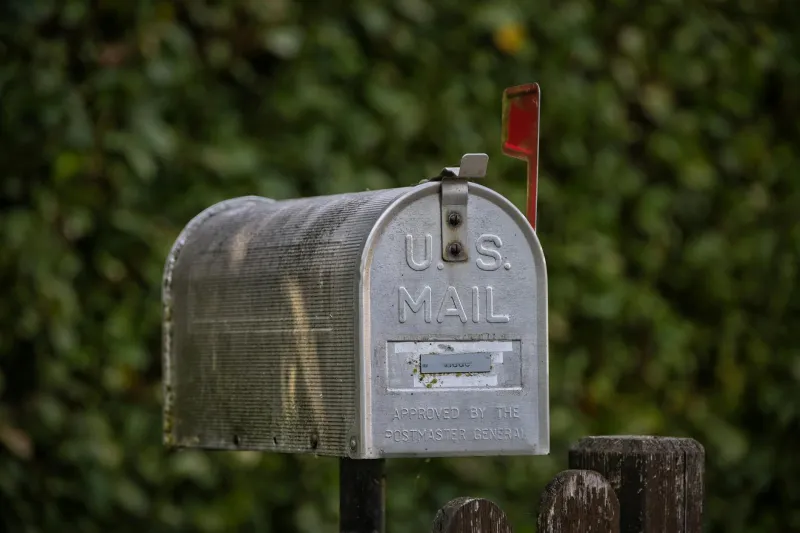
In 1955, Americans sent 60 billion pieces of mail. By 2022, that number had dropped to 116 billion—which sounds impressive until you realize the population nearly doubled in that time. More telling: personal correspondence, the heartbeat of American communication for two centuries, has virtually vanished.
Your grandmother probably wrote more letters in a single year than you'll write in your entire lifetime.
The Mailbox Was America's Internet
Every morning at 10:30 AM, Mrs. Henderson would position herself by her front window in Akron, Ohio. She wasn't being nosy—she was waiting for Frank, the mailman who'd been walking her route since 1949. The arrival of the mail wasn't just a daily event; it was the daily event.
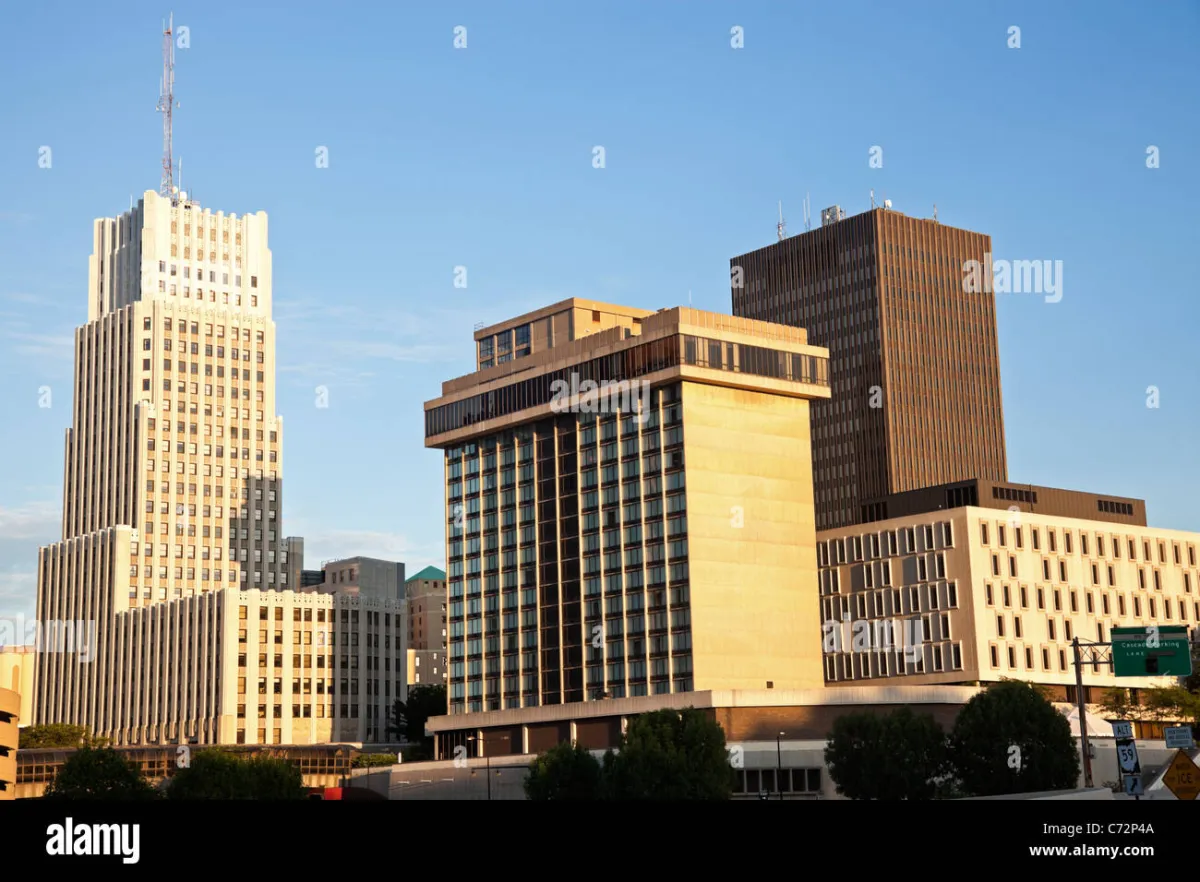 Photo: Akron, Ohio, via c8.alamy.com
Letters carried weight that no text message ever could. When your cousin in California wrote to say she was engaged, that news arrived on cream-colored stationery, sealed with care, and read aloud at the dinner table. The envelope itself became a keepsake. The handwriting was analyzed. The postmark told a story.
Businesses operated entirely through the mail. Orders were placed via letter. Invoices arrived in envelopes. Payment came as checks tucked into return envelopes. The phrase "the check is in the mail" wasn't a running joke—it was how America conducted commerce.
Love Letters Had Actual Stakes
Romance moved at the speed of the postal service, which meant it moved with intention. When soldiers deployed overseas during World War II and Korea, their relationships survived on letters that took weeks to cross oceans. Couples wrote daily, knowing their words might not arrive for a month.
This wasn't inconvenience—it was anticipation. Opening a letter from your sweetheart was an event. You saved the good stationery for important correspondence. You chose your words carefully because there were no delete keys, no "unsend" options. What you wrote, you meant.
Contrast that with today's dating culture, where a delayed text response creates anxiety and relationships dissolve over misread emoji. We gained speed but lost weight.
The Post Office Was Your Bank, Your Store, Your Connection
Post offices weren't just mail sorting facilities—they were community anchors. In small towns, the postmaster knew everyone's business because mail revealed everything. Who was job hunting (rejection letters had a particular thickness). Who was courting whom (perfumed envelopes were dead giveaways). Who was struggling financially (past-due notices had distinctive return addresses).
Money orders made the post office America's bank for the unbanked. Catalog shopping meant filling out order forms by hand and mailing them with payment enclosed—the post office was Amazon's predecessor by 150 years.
Stamp collecting wasn't a quirky hobby; it was a national pastime that connected children to geography, history, and the wider world. Kids saved allowances to buy commemorative stamps the way they now save for video games.
When Written Words Carried Legal Weight
Before email disclaimers and digital signatures, a handwritten letter was a binding document. Business deals were struck through correspondence. Legal agreements arrived via certified mail. The phrase "get it in writing" meant something because writing required commitment.
Contracts were typed on letterhead, signed in ink, and mailed with the gravity of permanence. There were no "reply all" disasters, no accidentally deleted agreements. Paper created accountability that pixels never could.
The Slow Death of Deliberate Communication
Email promised to make communication faster and easier. It delivered on both promises while quietly eliminating something irreplaceable: thoughtfulness. When sending a message required a stamp, envelope, and trip to the mailbox, people chose their words carefully.
Today, we send messages faster than we can think them. The average office worker receives 120 emails daily. We communicate more and say less. We're connected to everyone and intimate with no one.
The post office still delivers 116 billion pieces of mail annually, but most are packages from Amazon and bills from creditors. Personal letters—the mail that once connected hearts across distances—represent less than 3% of postal volume.
What We Lost When We Stopped Writing
Handwriting was identity. Your signature meant something because it was uniquely yours, impossible to replicate perfectly. Love letters became family heirlooms passed down through generations. Business correspondence created paper trails that lasted decades.
We also lost the ritual of letter writing—the quiet moments of reflection, the careful choice of stationery, the walk to the mailbox. These weren't inefficiencies to be optimized away; they were pauses that gave weight to our words and meaning to our connections.
The Post Office That Still Delivers
The US Postal Service still reaches every address in America six days a week—a feat no private company attempts. Mail carriers still know their routes, still deliver during snowstorms, still connect the most remote corners of America to the rest of the world.
 Photo: US Postal Service, via thumbs.dreamstime.com
But the cultural weight is gone. The mailbox that once held the promise of connection now holds mostly junk mail and bills. We check our physical mail with the same enthusiasm we once reserved for telemarketing calls.
Your grandfather's generation understood something we've forgotten: some things are worth waiting for. The best conversations happen slowly, with time for reflection between thoughts. The most meaningful connections develop through deliberate correspondence, not rapid-fire exchanges.
The post office didn't just deliver mail—it delivered patience, thoughtfulness, and the understanding that some communications deserve more than 280 characters and a hasty send.


